

Leave Your Message

Blog

How to Choose the Best DIY Craft Kits for Your Business

How to Choose the Best DIY Craft Kits for Your Business

So here’s the thing about picking the right Diy Craft Kits—it’s not just about what ends up on your shelf. Honestly, it can make or break customer satisfaction, whether they come back for more, and even how much time your team has to spend answering questions like “wait, where’s this piece?” And let’s be real: a kit can look amazing in the product photos, but if the pieces feel cheap, the instructions are a mess, or the final project doesn’t look anything like the picture, that’s when the disappointment kicks in. You know, it’s the little things that really matter—like how heavy a wooden frame feels, how many paint pots you’re dealing with, or whether a kid can actually open the packaging on their own without needing help. Honestly, the best way to pick a kit is to start with the people who'll actually use it. Think about their ages, how skilled they are, where they'll be working, and when they usually craft. From there, you want to compare things like material quality, how long assembly takes, packaging, whether your supplier is consistent, and the real cost per kit—not just the sticker price. And please, get samples and make the project yourself before you commit to a big order. Pay attention to any steps that confuse you, tools that should’ve been included but weren’t, and leftover pieces. It makes a huge difference. You know, good suppliers should be upfront about specs and actually get back to you quickly if you ask about materials, stock, or shipping. And make sure the age guidance and care instructions are right there—easy to spot. Oh, and double-check that the product makes sense for the people you're selling to. Sure, a spreadsheet’s handy for comparing things side by side, but it won't tell you if a project feels awesome or like a total pain. Honestly, I wouldn't get too excited over one successful sample, either. Batches can be all over the place sometimes. Look, the best choice is a bit of a juggling act—you want something customers love, you need to actually be able to fulfill it reliably, and the margin has to make sense for your business. And don't forget to leave room to learn from early sales and honest feedback, because you'll definitely get some.
Read more »
Liam By:Liam - November 6, 2026
10 Best Remote Control Airplanes to Buy in 2026

10 Best Remote Control Airplanes to Buy in 2026

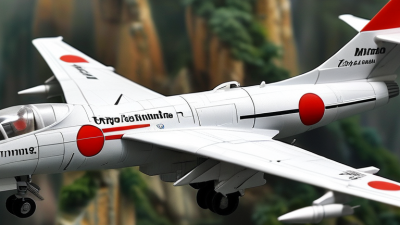
Let's be real—when you're picking a Remote Control Airplane in 2026, it's about matching the plane to the pilot. Not about grabbing the biggest motor or chasing the fastest top speed. A good trainer, for example, should lift off smoothly from a grass field, be forgiving when your inputs are a little rough, and survive the occasional not-so-soft landing. A compact park flyer, on the other hand, is a different story: it needs steady handling, quick setup, and easy transport. Honestly, it's the small details that tend to matter most. So when you're checking out one of these, you gotta look at a few things first. Like, what type of battery does it take? And are replacement parts easy to find? Also, how far does the remote actually reach? And last but not least, does the whole package come with everything you need to get it flying? Sometimes they leave out the good stuff, you know? Honestly, the market context is worth a careful look. So, Circana’s 2024 U.S. Toy Industry report? It showed that toy sales dropped 8% in 2023, down to $31.1 billion. But here's the thing – that number covers all toys, not specifically remote control airplanes. So it doesn't tell us which ones will actually fly off the shelves. Still, it does make you think about value and durability as smart things to consider when buying. So the Academy of Model Aeronautics—or AMA, as most folks call it—offers safety guidance for model flying. Their executive director, Rich Hanson, also stresses the importance of flying responsibly and using sound judgment. Bottom line? Pick an aircraft you’re genuinely comfortable controlling. So, we went ahead and compared ten different planes, looking at stuff like flight stability, how well they're built, battery life, how easy they are to fix, and whether a total beginner could actually handle them. We also tried to figure out where each one shines—like, is this a wide-open-field kind of plane, or can it work in a tighter space? Honestly, no plane is perfect. And that flight time they advertise? Yeah, don't always believe it. In real life, especially if it's windy or chilly, those numbers can drop pretty fast. At the end of the day, the best choice isn't about which one looks coolest in the photos. It's about what fits your skill level, your budget, and the space you've actually got to fly in.
Read more »
Madeline By:Madeline - November 1, 2026
China Best Board Games Manufacturers for Global Buyers?

China Best Board Games Manufacturers for Global Buyers?

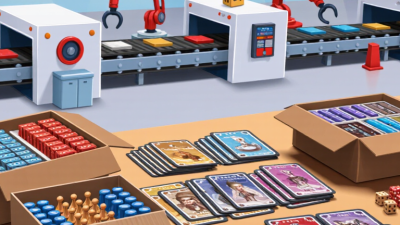
When it comes to sourcing board games, China is pretty much the go-to place—it's got the manufacturing muscle and the prices are hard to beat. Grand View Research actually put the global board games market at over USD 13 billion back in 2022, and they're expecting some solid growth heading into 2030. Mordor Intelligence is also seeing things expand, which makes sense when you think about all the family game nights, hobbyist gamers, and, of course, the whole crowdfunding scene. It's a pretty exciting time for the industry, honestly. That said, you know, reports don't always see eye to eye – the market numbers can be all over the place. So I'd treat any forecast like a helpful nudge, not something carved in stone. Honestly, when you think about China's manufacturing strength, it's not just talk – you see it in suppliers like Panda Game Manufacturing, LongPack Games, Cartamundi, and Whatz Games. They can handle a whole range of production needs, like custom cards, molded pieces, magnetic boxes, wooden components, and even retail-ready packaging. But here's the catch: a slick website isn't worth much. What really counts is getting in there and testing their work firsthand. When you're checking out suppliers, don't just get hypnotized by that glossy sample. Seriously, you've gotta dig into the details—minimum order quantities, prototype fees, paper thickness, color consistency, component tolerances, inspection procedures, and yeah, shipping terms too. A pretty sample can completely hide all sorts of production nightmares. You know, game designer Jesse Schell once said that 'a game is a problem-solving activity, approached with a playful attitude.' And honestly, that same mindset carries over to how we make games. Every single component matters—whether it's about how the game plays, what it costs, how durable it is, or what the player experiences. Like, if a card bends too easily, it can ruin an otherwise fantastic design. Or imagine if the box has a tiny error—it could mess up the whole shipping process. No factory is perfect for every project, right? So picking the right manufacturing partner really depends on a bunch of things: the game's complexity, your target audience, your budget, your timeline, and what kind of quality control you need. So, this guide takes a look at the top China board game manufacturers—but honestly, it's more like a starting point. We're judging them on some practical stuff, though you should keep in mind that supplier details can shift, and it's always smart to double-check things on your own.
Read more »
Madeline By:Madeline - October 28, 2026
Top Food Storage Containers Suppliers for Global Buyers

Top Food Storage Containers Suppliers for Global Buyers

Choosing reliable Food Storage Containers suppliers isn’t just about comparing catalog prices. If you’re sourcing globally, you’ve really got to look at material quality, whether production stays consistent, how strong the packaging is, and how well the supplier communicates. A container can look tough in a product photo and still crack after a few washes—or show up with warped lids. And honestly, it’s the small details that matter most. So, this guide takes a look at some pretty well-known names—Cambro, Rubbermaid Commercial Products, LocknLock, Sistema Plastics, and OXO. They don't all fit the same buyer, though; each one kind of has its own lane. Cambro, for example, is a big name in commercial foodservice storage. Rubbermaid Commercial Products is more about practical stuff for restaurants, institutions, and pro kitchens. And then LocknLock and Sistema Plastics? They're aimed more at everyday consumers, with a lot of focus on sealing and convenience for daily use. OXO has a rep for making kitchen stuff that's easy to use—and for paying attention to the little handling details. When it comes to picking the right supplier, honestly, it depends on your market, how much you're ordering, and what compliance rules you've got to meet. Before you sign off on a big agreement, ask for material specs, food-contact documentation, test reports, carton dimensions, and some sample units. And don't skip the hands-on stuff: feel the lid seal yourself. Check the corners, hinges, and surface finish. Those quick checks can help you catch problems way early. Let's be honest - no supplier is perfect. Some brands might have amazing design work, but when it comes to customization? Not so much. Others can give you really sharp pricing, though their export support may feel a bit weak. And lead times? Those can shift once peak season hits. So a sourcing decision you can actually rely on usually comes down to balancing performance, documentation, factory capacity, after-sales service, and total landed cost. In this article, we'll look at supplier evaluation in a practical way - but keep in mind, product claims and certifications should always be checked for the destination market.
Read more »
Liam By:Liam - October 23, 2026
How to Choose the Best Laundry Detergent for Wholesale?

How to Choose the Best Laundry Detergent for Wholesale?

Picking the right Laundry Detergent for wholesale isn't just about scanning prices on a supplier sheet. You've got to look at how well it cleans, what's actually in it, whether the packaging holds up, and whether supply stays steady. Something can look great in a catalog but then flop in cold water or leave residue on dark fabrics. So practical testing really matters. Wholesale choices should match what your customers actually need. Does the formula work for home machines, commercial laundries, or people with sensitive skin? Ask for samples and try them on cotton towels, workwear, and stained bedding. Pay attention to scent strength, foam, how well it rinses, and how the fabric feels afterward. Also review tech docs, safety info, batch records, and quality-control procedures. A reliable supplier should be able to explain their production process clearly and keep communication consistent. Small details matter. Packaging deserves just as much attention. Weak caps leak in transit, and confusing labels can cause headaches on retail shelves. Check carton strength, pallet stability, storage needs, and private-label options. Supplier experience helps, sure, but it shouldn't replace evidence. Ask about lead times, minimum order quantities, replacement policies, and inspection procedures. No shortlist is perfect. A cheap Laundry Detergent can hurt margins later if complaints, damaged cartons, or inconsistent batches start piling up. Buyers should compare total value, not just unit price. For bigger orders, independent lab testing might be worth it too. It costs more, but it can catch problems before shipment. The best choice balances performance, customer expectations, operational reliability, and responsible purchasing.
Read more »
Oliver By:Oliver - October 19, 2026
How to Buy Lego Blocks in Bulk for Global Sourcing?

How to Buy Lego Blocks in Bulk for Global Sourcing?

So you’re buying Lego Blocks in bulk for global sourcing? It’s not just about finding the lowest factory price. A process you can actually rely on ties together product authenticity, quality control, shipping efficiency, and legal compliance. Before asking for quotes, buyers should nail down the basics: piece types, colors, packaging formats, age grades, and target markets. A clear spec cuts down on misunderstandings between your procurement team and suppliers. Once that’s sorted, get detailed pricing from established manufacturers, authorized distributors, or verified trading partners. Compare MOQs, carton dimensions, lead times, payment terms, and shipping options. Small details really matter here. A carton that’s packed poorly can show up with damaged boxes or mixed inventory. Ask for material info, inspection records, and any product testing documents required in the destination market. Independent inspections can also check quantities, color consistency, sharp edges, and packaging labels before shipment. And no, the cheapest offer isn’t always the best choice. It might leave out tooling, export documentation, inspection fees, or inland transportation. So buyers should calculate the landed cost, not just the unit price. Currency swings and port delays can throw off the final budget too. Some sourcing plans look perfect on paper, then fall apart during seasonal demand. That risk deserves an honest look. This guide walks through how to evaluate suppliers, negotiate practical terms, verify product quality, and manage international delivery. It also points out common mistakes, like unclear specs and weak communication. No sourcing method is flawless. But careful records, realistic forecasts, and transparent supplier checks can make bulk Lego Blocks purchasing a lot more dependable.
Read more »
Liam By:Liam - October 15, 2026
How to Choose the Best Air Fryer for Your Business?

How to Choose the Best Air Fryer for Your Business?

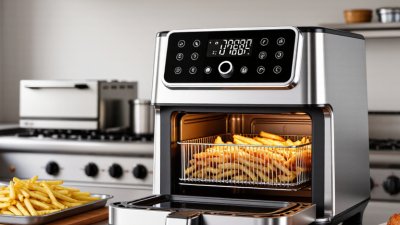
Picking the best Air Fryer for your business isn’t just about wattage and whatever capacity the ad shouts about. Think about how you actually cook. A café might need speed when lunch hits hard. A hotel breakfast service? It probably cares more about quiet operation and easy cleanup. And a catering company has its own headaches—transport, menu variety, and equipment that still performs in kitchens you don’t know. So start with real service conditions. Measure counter space, check electrical access and ventilation, figure out batch size, and look at peak order volume. Then compare things like cooking speed, basket design, temperature control, energy use, and how fast it recovers between batches. Little details can bite you. A removable, dishwasher-safe basket saves cleanup time. A clear digital display helps prevent setting mistakes that cost you. Good judgment also needs evidence, not just a sales pitch. Look at manufacturer specs, warranty terms, user manuals, independent tests, and feedback from businesses doing similar work. Check if replacement baskets, seals, and heating elements are easy to get. Make sure the unit meets your local safety and commercial equipment rules. And don’t just trust big claims—test it. Run one sample with frozen fries, chicken portions, or your busiest menu item. Write down cooking time, texture, noise, heat release, and how easy staff find it to use. No model is perfect. Our first shortlist might lean too hard on capacity, for example, yet a bigger machine can slow training and eat up valuable counter space. That’s worth a rethink. The best Air Fryer isn’t always the most powerful or the priciest. It’s the one that gives you consistent food, manageable operating costs, dependable support, and safe daily performance for your specific business.
Read more »
Liam By:Liam - October 12, 2026
What Are the Best Pet Snacks Suppliers in China?

What Are the Best Pet Snacks Suppliers in China?

Picking the right Pet Snacks supplier in China? Honestly, it takes a lot more than comparing prices or pretty packaging. If you want sourcing you can actually trust, start with ingredient quality, production experience, and whether the factory is open about how it works. A good supplier should be able to tell you exactly where its meat, grains, vitamins, and preservatives come from. They should also hand over clear nutrition labels, batch records, shelf-life data, and samples you can review. The small stuff matters. A factory visit, for example, can show you a lot: sanitation controls, temperature management, storage conditions, and how well staff are trained. Independent lab testing can help confirm microbiological safety, nutritional accuracy, and that unwanted contaminants aren’t hiding in there. Certifications are nice, sure, but they shouldn’t replace checking things yourself. Buyers should look at audit reports, export experience, customer references, and how the supplier handles quality complaints. Trust? That takes time. This guide looks at Chinese Pet Snacks suppliers through a practical, evidence-based lens. It weighs private-label capability, minimum order quantities, packaging flexibility, communication quality, and delivery reliability. It also asks whether suppliers really understand different pet sizes, life stages, allergies, and feeding habits. A strong supplier should offer consistent formulas, not just attractive trial products. Some published information may be incomplete, and supplier performance can change over time. That limitation deserves attention. So buyers should request current documents, inspect production conditions, and test small orders before making bigger commitments. The goal isn’t to find the cheapest factory. It’s to find a dependable partner that protects pet health, supports responsible business decisions, and keeps quality consistent from the first shipment onward.
Read more »
Madeline By:Madeline - October 7, 2026
10 Best Food Storage Containers for Wholesale Buyers

10 Best Food Storage Containers for Wholesale Buyers

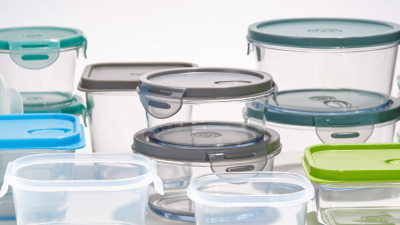
Picking the right food storage containers is actually a pretty big deal for wholesale buyers. It can really impact your profit margins, your reputation, and how smoothly your daily operations run. I mean, going for the cheapest option might seem tempting at first, but those bargain bins can crack during shipping, stain after just one round with tomato sauce, or lose their lids before they even reach your customer. And yeah, those small problems might seem minor on their own, but multiply them across pallets, and suddenly you're looking at a lot of wasted money and hassle. Dr. Susan Selke, who’s an expert in packaging sustainability, once said, “Packaging is not the enemy.” And honestly, she’s got a point. Good food packaging should do more than just look nice. It needs to protect your products, make handling safer, and avoid using unnecessary materials. When you’re shopping around, don’t just focus on how the containers look. Take a closer look at stuff like capacity, how strong the lids are, what kind of material it’s made from, how well it handles temperature changes, whether it stacks nicely, and if there’s enough space for labels. In this guide, I’ve rounded up the 10 Best Food Storage Containers for wholesale buyers. Whether you're running a restaurant, a meal prep business, supplying groceries, catering, or managing an institutional kitchen, these options have been chosen for practical reasons. Some are made with sturdy polypropylene, others shine with clear visibility, easy nesting, or reliable leak-proof seals. Details really do matter. For example, a 32-ounce container might be perfect for salads, while a shallow 48-ounce one could be better for bulk ingredients. And don't forget—always ask for samples before buying large quantities. Product descriptions can sound convincing, but sometimes lids actually fit differently once you see them in person. Of course, no process is perfect. Lead times can shift, costs go up or down, and customer preferences are always changing. Still, taking the time to compare options carefully can save you headaches down the road—less waste, fewer returns, and fewer storage issues. In the end, the most reliable choice isn’t always the cheapest one. It’s the container that performs consistently when it comes to transit, storage, cleaning, and repeated use.
Read more »
Liam By:Liam - October 2, 2026
How to Source Tissue Paper in 2026?

How to Source Tissue Paper in 2026?

So, you're wondering how to source tissue paper in 2026? Well, it’s not just about comparing prices per ton anymore. Buyers really need to dig into details like where the fibers come from, the basis weight, how soft and absorbent the paper is, the efficiency of converting, and whether deliveries are reliable. You could get a gorgeous sample that looks perfect, but then it might fall flat during high-speed converting—trust me, that happens more often than you'd think. According to Grand View Research, the global tissue paper market is expected to keep growing through 2030, thanks to rising demand for hygiene products, urbanization, and luxury household brands. Meanwhile, Smithers points out that sustainability, resource efficiency, and product differentiation are big forces shaping how tissue is made today. Those reports are helpful, but the forecasts sometimes don’t agree. It’s smart to question the assumptions behind all those numbers—nothing’s set in stone. Dr. Martin A. Hubbe, a well-respected paper scientist and TAPPI contributor, often says, “Paper performance depends on its structure, not just its strength.” That’s a crucial point when choosing who to buy from. For example, a heavier sheet might push up costs without actually giving customers a better experience. Or, a recycled grade might align with your green goals but could require tweaks in your process or produce more dust. When it comes to sourcing reliably, it’s best to do your homework—think factory audits, recent test reports, batch traceability, and clear certifications like FSC or PEFC. Don’t just ask for one sample from a perfect-looking carton; request production samples from multiple lots. Also, inspect moisture levels, roll hardness, core sizes, check for packaging damage, and review their lead times. The truth is, the cheapest option isn’t usually the best one. The ideal supplier is someone who stands behind their quality, explains what’s possible—and what’s not—and fixes issues quickly when they come up. But let’s be real—no sourcing plan is foolproof. Disruptions in freight, fluctuations in pulp prices, and shifting buyer expectations can all mess with your assumptions. So, when planning for tissue paper in 2026, make sure to combine data, physical tests, and some good old practical judgment. Trust me, it’ll save you headaches down the road.
Read more »
Madeline By:Madeline - September 29, 2026
10 Toy Gun Buying Tips for Global Buyers

10 Toy Gun Buying Tips for Global Buyers

A toy gun might seem pretty straightforward on a product page, but it's the little details that really matter when it comes to safety, quality, and whether it's suitable for different markets. Things like a bright finish, smooth edges, a snug battery cover, and a clear age label are worth taking a close look at. Don’t just trust the looks—they can be deceptive. Buyers from around the world should dig into product specs, request sample units, check packaging, and review supplier records before diving into a big order. It’s a good idea to ask what materials are used and whether the product has been tested by a certified lab. Make sure to get the most recent safety reports that match exactly the model you're considering, not just similar items from an old catalog. Keep in mind, requirements can vary quite a bit depending on where you're selling. There’s no one-size-fits-all checklist. It's important to confirm the specific safety rules, labeling languages, age warnings, packaging needs, and import regulations with local authorities or qualified compliance experts. Also, see if the instructions are clear and whether small parts, sound levels, or moving features are suitable for the intended age group. Honest answers really do matter. A trustworthy supplier should be transparent about how they control production, conduct inspections, and handle any defects. Always compare samples carefully with the specifications—look at color, size, included accessories, all that jazz—and keep a record of everything. Price is definitely important, but the cheapest quote can sometimes hide things like flimsy packaging, inconsistent parts, or missing paperwork. Ask specific questions and then double-check those answers. No review can eliminate all risks, and just having the paperwork doesn’t automatically mean the product’s quality is solid—something that's often overlooked. These ten tips are designed to help buyers globally make smarter choices, communicate their expectations clearly, and pick toys that really fit their target markets.
Read more »
Liam By:Liam - September 26, 2026
What Is Tissue Paper and What Is It Used For?

What Is Tissue Paper and What Is It Used For?

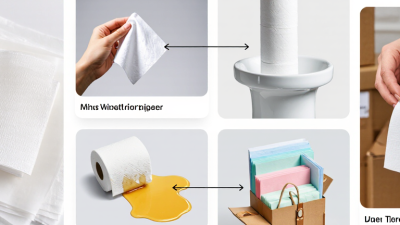
Tissue paper is pretty much everywhere in our daily lives. It’s a lightweight, super absorbent type of paper made from refined wood pulp or recycled fibers. It feels soft to the touch, but don’t be fooled—its structure is carefully engineered. During production, those tiny fibers are formed into thin, delicate sheets and dried under specific conditions. Some types get extra treatments to boost strength, moisture resistance, color, or softness. The finished product’s feel really depends on the quality of the fibers, how it’s creped, layered, and the manufacturing process overall. People use tissue paper in all sorts of everyday situations. For example, facial tissues are perfect for wiping away moisture, dust, or dirt from your face or hands. Toilet tissue is designed for personal hygiene and easy disposal. Paper towels are the go-to for soaking up spills in the kitchen, office, or workshop. Gift tissue adds that nice pop of color and a bit of cushioning inside boxes or bags. And you know those wrapping tissues? They’re used to protect stuff like glassware, shoes, clothes, or shiny surfaces when you're storing or shipping things. You might see the phrase Tissue Paper Tissue Paper popping up a lot, and honestly, it can seem repetitive. But that’s because shoppers are often trying to find clear info on different types of tissue paper. Not every soft sheet is made for the same purpose, though. For instance, a facial tissue might tear easily once it gets soaked, while a paper towel is designed to handle more liquid without falling apart. Packaging tissue, on the other hand, is more about protecting things rather than absorbing liquids. So, it’s smart to pay attention to things like sheet count, ply, fiber content, what you actually need it for, and other quality details. Recycled fibers are great for reducing waste, but that doesn’t automatically mean performance is better—it really depends on the product, so some hands-on testing helps. Just try pressing a sheet between wet fingers—see how it tears? Think about what you’ll be using it for. Good choices come from matching the right type of paper to the task, not just going for the softest option on the shelf.
Read more »
Madeline By:Madeline - September 22, 2026
China Top 10 Remote Control Car Manufacturers?

China Top 10 Remote Control Car Manufacturers?

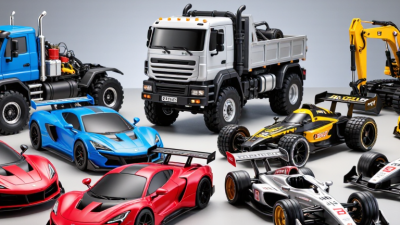
China’s remote control car scene is pretty interesting these days. On one hand, you’ve got factories pumping out cars on a massive scale, but on the other, they’re also pushing into really specialized engineering. This guide takes a look at ten top manufacturers that serve everyone—from hobbyists and families to collectors and even commercial buyers all over the world. We’ll cover things like product design, factory experience, testing standards, supply reliability, and after-sales support to give you a full picture. Some of the big names you might recognize include Double E, Rastar Group, Heng Long, Wltoys, MJX R/C, Fei Lun, SYMA, Xinlehong, HBX, and JJRC. They’ve got a pretty wide range of options—from tiny indoor cars to serious metal-bodied off-road models, some with proportional steering. A lot of these factories make licensed replicas, while others focus on crawlers, drift cars, or even programmable construction vehicles. When it comes to choosing the right one, the little details really matter—things like gear material, battery connectors, tire compounds, and how easy it is to get spare parts. But here’s the thing: you can’t judge a book just by looking at cool photos online. It’s super important to dig a little deeper—check manufacturing records, safety documentation, warranty info, and whether they’re currently able to export reliably. Sure, you might see the term Remote Car Remote Car floating around in search results, but that doesn’t tell you about quality. A good remote control car should perform as advertised—matching its speed, run-time, control range, and operating conditions. Just remember, no ranking or list is set in stone. Updates, supplier changes, and regional support can all shake things up, so take this guide as a practical comparison, not a definitive verdict. Also, some info out there is limited or needs a bit more verification—that’s just honesty talking. A factory might make fantastic models but have inconsistent support in different markets. Doing a bit of homework helps you set realistic expectations and avoid costly surprises down the line.
Read more »
Oliver By:Oliver - September 18, 2026
What Are the Top China Plastic Model Manufacturers?

What Are the Top China Plastic Model Manufacturers?

Picking the best Plastic Model manufacturer isn't usually as straightforward as just comparing prices or looking at the box art. Every company has its own vibe — different design philosophies, ways of manufacturing, and what builders expect. For example, Tamiya’s known for precise engineering, really clear instructions, and parts that fit together reliably. On the other hand, Bandai Spirits often leads the way in character kits, especially with their cool color separation and snap-fit features that make building a breeze. Then there’s Hasegawa and Fujimi, who are famous for highly detailed aircraft, cars, and ships. And if you’re into complex military models or modern subjects, brands like Meng, Trumpeter, Takom, and Academy are frequently the go-to choices for lots of builders. He once said, Shep Paine, a well-respected scale-model author and teacher, “The model is only a means to an end; the end is the story.” Honestly, that’s really worth keeping in mind here. You shouldn’t judge a manufacturer just by the number of parts or how fancy the box looks. The real test happens at your workbench: Do the panels line up? Are the instructions easy to follow? Does finishing the kit actually feel rewarding if you’re patient enough? This guide aims to compare some of the top plastic model brands based on practical and concrete factors, like how well the molding is done, the detail on the surface, how true to history the models are, engineering quality, range of subjects, prices, and after-sales support. Of course, your experience as a builder plays a big role too. Beginners might just want something simple to put together, while seasoned modelers often look for intricate tiny parts, photo-etching, or challenging conversion kits. Now, no list of top brands is perfect. Availability can depend a lot on where you live, and a company’s older tools might not be on par with their newest stuff. Also, some kits might need a bit of sanding, filling, or extra research — but honestly, that’s kind of part of the craft. Sometimes, that extra work is where the real fun begins, and it adds to the satisfaction of finishing something really special.
Read more »
Madeline By:Madeline - September 13, 2026
China Best Remote Control Car Manufacturers and Suppliers

China Best Remote Control Car Manufacturers and Suppliers

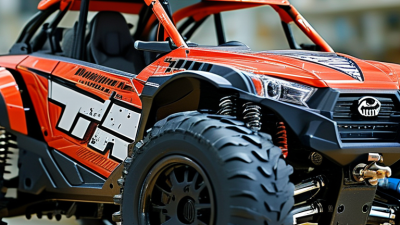
China has really become a go-to place for sourcing Remote Control Car products, catering to hobbyists, shops, and distributors all around the globe. Their factories can handle big orders, offer flexible customization options, and are getting better and better with electronic systems that you can actually rely on. That said, just because a factory offers a lower price doesn’t always mean you’re getting true value for your money. In this guide, I’ll walk you through some of the top RC car manufacturers and suppliers in China, highlighting what you should look for when making a purchase. We’re talking about things like motor performance, how safe the batteries are, how responsive the steering feels, the durability of the suspension, availability of spare parts, and their track record on quality control. Brands like WLtoys, MJX, Double E, and Xinlehong each have their own strengths—some are better suited for kids, absolute beginners, or serious hobbyists. On paper, their products might look pretty much alike online, but inside, there can be quite a difference. A legendary RC racing champ, Masami Hirosaka, once said, “The car must be easy to drive before it’s fast.” That advice still holds water when you’re comparing different Chinese suppliers. Features like a tough chassis, smooth throttle response, and straightforward instructions often matter way more than just how fast the thing can go. Sometimes the little details make all the difference. I’ve come across listings that look super tempting but hide issues like weak connectors, thin gears, or vague warranty info. That’s why it’s so important to verify your supplier carefully. Ask for videos straight from the factory, test samples if possible, check their compliance certificates, ask for packaging photos, and get a list of spare parts. Searching for “Remote Car” can turn up a ton of options, but relying solely on marketplace rankings isn’t enough. Some suppliers might look solid at first glance but could change rapidly—factory capabilities don’t stay the same forever. So, this guide aims to give you a practical starting point, not a foolproof verdict. Ultimately, doing thorough research and asking the right questions will save you headaches down the line. Happy hunting!
Read more »
Madeline By:Madeline - September 9, 2026